.svg)


The spiritualizing or heightening of violence. Anti-rationalism, a reaction to the Enlightenment. Heroism and action over religious debate or thought. Myth and story over rationalism and materialism. Vulgar or Social Darwinism, the scientism of struggle. Ultra-nationalism and Völkisch thought as a crisis of capitalism and liberalism. Authority and order over freedom and chaos. Anti-Bolshevism or anti-universalism. Paramilitarism. The reality and shock of World War One. And establishment support from big money and big politicians.
Read More(1).png)
Reaching for hope may be like a dead man's longing to smell summer one last time. Like an ant that wishes to soar like a bird of prey. Hope can seem impossible. There are violent storms that destroy it every morning. The powerful do not want us as individuals. They want compliance. They pull the strings of their money, and we dance. We have also been let down by hopes of the past. They grew weak. They suffocated. They brought nothing to our souls. They rotted with time and poisoned our ideas. When we look at the world, we sometimes see the darkest of nights. A better future presents itself to us as fiction.In the midst of these assaults, we are castles. Besieged, seized, plundered, desecrated from within. But our walls still stand. It is our duty to drive out the intruders. Not to capitulate. Attacks on our goodness are feeble. They break against the human spirit. There is no force powerful enough to defeat the infinite future. Hope can prevail. But we must choose it.Yet first, we must understand hope. Truthfully. Seriously. Deeply.Hope is not passive. It is not a stone lying in a garden. To hope does not mean to wait idly and expect good outcomes. That is not hoping. That is wishing. That is expecting. Hope is no task for the indolent. It must carry the dimension of action. One must participate in the world. Act with the mind. Hope and action are inseparable. Only from hope can we act. In true hope, we find the resolve to build our own future. Hope is a path toward a better place. But we must choose to walk it. Hope is not a small sensation. It is an activity.Hope is also not a fleeting feeling satisfied by trivial events. It is more enduring. More profound. It is an openness to the idea of the not-yet. A permanent receptivity to the pain and the glory of the future. To the fullness of the world. And to the fact that within that fullness, something good must exist.
Read More
Whether from Mark Zuckerberg, Apple, or others — there are sweeping ambitions to blur the boundaries between our physical and digital lives. These ambitions are often framed in futuristic or abstract terms — products in development, being tested in research labs, designed for a not-too-distant future. But this framing does not reflect reality. We are already inside a metaverse, one that has crept into our lives, injected itself behind our retinas with needles so fine that we barely felt each puncture. Every day, we drift a little closer to a complete simulation. Our interests and interactions have become hyperreal, existing in a world that slowly overlays the one we can touch and experience with our physical senses.The metaverse is already here. You are already inside it.
Read More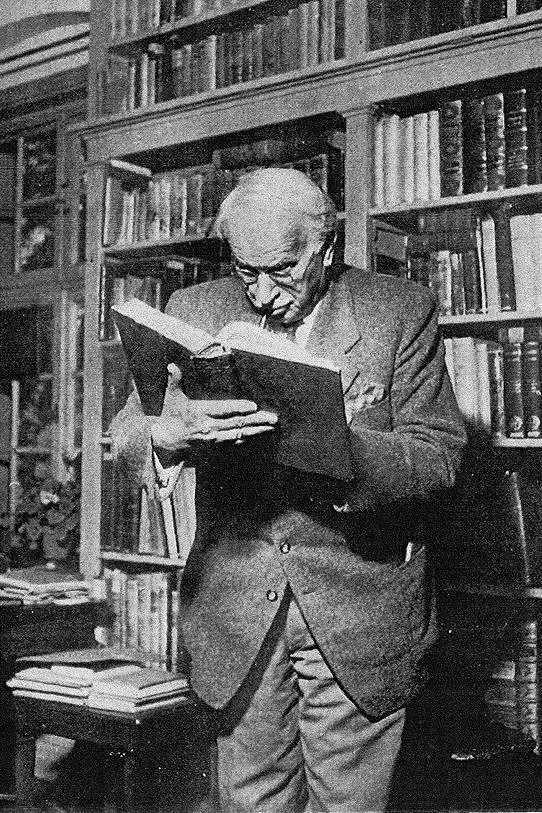
One of Jung's core principles was individuation. This is a hugely complicated idea, but in short, individuation is the process of a person synthesizing the many aspects of the mind into a complete, balanced, and honest human being. We should also understand what individuation is not. It is not rejecting all outside forces but knowing what to do with them. It is not acting on all of one's impulses, but understanding why they occur. The individuation process should not be confused with rather shallow concepts of self-help often seen in advertisments. Through individuation, as author Bud Harris notes, the person does not seek to merely have more positive thoughts or write some self-prescribed wrong and move on with life. Individuation is truly meaningfully being yourself. It is both a transformation and an unending process. We are forever caterpillars, forever cocooned and forever butterflies all at once. In our early childhood, we begin to make decisions and form values. We arrive knowingly or otherwise at conclusions about who we should be, how we should go through life, and what we should strive for. This often involves embracing certain qualities and trying to destroy others. There's not much we can do about this. Formative years are formative years. But when we get deeper into our lives, it becomes clear that this process having taken place so early is a problem. We reached conclusions about ourselves and our life before ourselves have lived. Imagine a person tells you to get ready for a hike in a faraway land.
Read More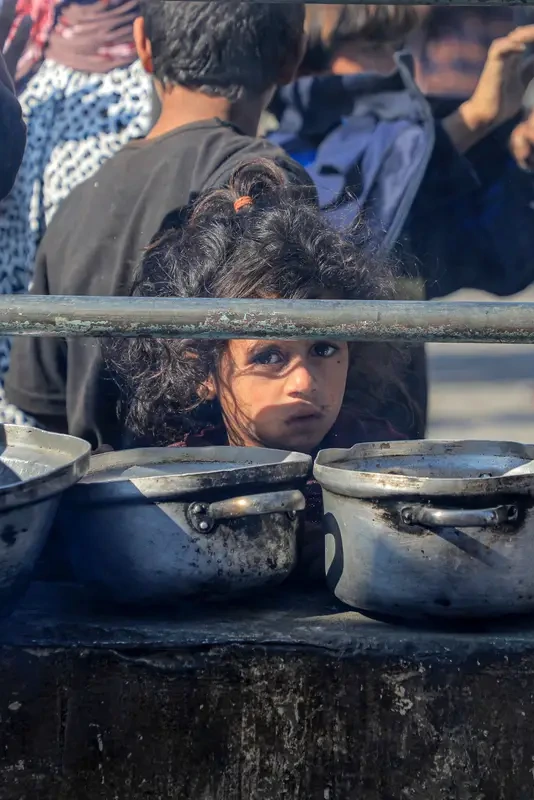
Since October 7, 2023, the world has witnessed an unprecedented mobilization of civil society in response to the humanitarian crisis in Gaza.[^1] Hundreds of thousands have taken to the streets across six continents, demanding an immediate ceasefire and calling for accountability for what many international legal experts and human rights organizations characterize as potential genocide.[^2] This comprehensive report documents the global protest movement, the legal proceedings underway at the International Court of Justice and International Criminal Court, the humanitarian evidence including the contentious debate over famine classification, and the scholarly consensus emerging around genocide allegations.
Read More.jpg)
America’s election of Trump—twice—was not merely a political error, but a revelation. He was less a corrupter than a mirror, exposing a society willing to trade dignity for security, truth for lies, and principles for populism. His rise showed that democracy can crumble not through war or invasion, but through citizens’ deliberate surrender of reason in exchange for certainty. What took nearly 250 years to build—the fragile architecture of self-governance—may be dismantled in less than a decade, accelerated by social media’s machinery of mass delusion. Each vote was not just a choice, but an abandonment of truth itself. The bitter irony is that democracy’s undoing did not come from external enemies, but from within, by people who mistook ignorance for authenticity and power for morality. The most haunting question that remains is not whether democracy will survive, but whether what emerges will still deserve the name—or if democracy was always an exception to humanity’s deeper instinct: the worship of comforting illusions over difficult truths.
Read More
Populism presents democracy with its most fundamental contradiction—it emerges from democratic systems while potentially destroying them. Every populist movement claims to represent "the people" against corrupt elites, yet "the people" are never actually singular. They're millions of individuals with conflicting interests who disagree with each other constantly. This creates an impossible logical problem: how can any leader authentically represent such diversity? The answer is they can't, which is why populist movements inevitably rely on charismatic, often eccentric leaders who become the very type of elite they claim to oppose. Populism isn't going away because it reveals genuine flaws in how modern democracies work. When democratic institutions fail to represent significant portions of the population—the "forgotten rooms" of society—populism emerges as both symptom and potential cure. The real challenge isn't defeating populism but addressing the underlying conditions that make it appealing: the sense that ordinary people have lost control over their lives, increasing inequality, and governance by distant technocrats. Until we solve these problems, populism will remain democracy's persistent shadow, offering solutions that might cure the disease by killing the patient.
Read More.jpg)
Three years, four months, three weeks, and five days – that’s how much time has passed since the war in Ukraine began. And that is exactly how long I’ve been working on a certain project. The global drift into conspiracy theories is often presented as the behavior of helpless fools who no longer know whom to trust, because the “respected” authorities have lied to them – and so they fall prey to mad charlatans. But I don’t believe people are that stupid. On the contrary: people are smart enough to accept only those conspiracy theories that lift the blame from them. What we are really witnessing is a kind of alibi, collectively created by the crowd. People trade their freedom for innocence. Populist leaders are eager to tell people that they are innocent – in exchange for power. The only hole in that alibi is Ukraine. Of all the revolutions of the 2010s, only one succeeded: Euromaidan. Ukrainians took their fate into their own hands – and they won. That is why they must die. Because if they succeeded, then we might succeed, too. We could have succeeded. Which means: democracy is real. And it is possible. And yes – we all share responsibility for what goes wrong in our democracies. That’s why both supporters and opponents of the war instinctively feel that this war is a test of democracy – not only because it happens that Ukraine is a democracy and Russia a dictatorship, but because Russia and the world have turned this war into a trial: are ordinary people still capable of standing up to ossified structures of power – and winning? And, surprisingly, many people don’t want that to be possible. Knowing this already three years ago, I decided to begin writing this article. Now I can proudly say: it is finished. Or at least finished enough – for this moment. After three years of research and over 150 different sources, 31 different books, I have created a document that – as I hope you’ll see while reading – is something much more than just an inventory of guilt, another “who did what?” or whether it was fair, or other distractions from reality. So what is this article really about? The clue lies in the title.
Read More
Certainly, we should not actively seek pain, or champion suffering, or envy those in sorrow. We also must not abandon our brothers or sisters in moments of crisis. But we should recognize that suffering is an inexorable part of the human condition. To live is to feel many things, and one of them is pain. But pain is neither bad nor good. It is instead an ecosystem, which at once contains decay and growth. I do not agree with the hardline notion that pain is good, that suffering makes us better—but I do believe that being a quintessential piece of life, we should seek for and identify the benefits of pain. We too often regard feelings of pain as weakness, as if these sensations are relegated to only a few among us. This is, of course, false.So we must find something to do with our pain. We must identify how it holistically impacts our condition. Pain is like a stone we are forced to carry, and so we would be best served not to languish only in obligation, but instead we may see if this stone can be used for other purposes.
Read More
...data counts numbers. It does not recount. It does not reflect. It does not re-examine events at different times in life with earned perspective of living in the real world. When we make these judgments and decisions based upon these numbers, it is no wonder they fail to provide peace or happiness. But still, we pursue further such decisions under the guise of self-improvement. When in truth, we are just closing the door of a prison built with our own hands, we become both the guard and the inmate.
Read More
Bias is part of being human. We have positions, perspectives, cultures, lenses through which we see things. AI models are trained through reinforcement learning — gently nudging the AI in particular directions. But there is often no single correct answer to an ethical question. David Hume famously argued that you cannot derive an ought from an is — you cannot determine what the world should look like from what it currently is. The data is biased by history. And it is being further shaped, nudged, and corrected by a very specific group of people in a very specific part of the world at a very specific moment in history.
Read More
This is a story of deceit, manipulation, lots of money, political lobbying, lawsuits, and, ultimately, covert theft. The history of the internet has been one of big capital pilfering from public investment and national infrastructure, the expropriation of academic research, of democratic open-source alternatives being forced illegally from the market, of devices to steal our privacy for profit being quickly snuck into hour homes, our cars, our watches, glasses, and phones. It’s a story of unethical business practices, of monopoly power, a story that could have been different, and, in the end, a story of competing dreams - hopes - of the future.
Read More
Again, I ask you, if it sounds too good to be true, but believing otherwise means losing hope,why wouldn't you refuse? It's important that you pay close attention now because when a pyramid scheme or a cult is presented to you, it will not reveal itself as such. It will come wrapped in well-decorated packaging with a pretty bow on the top, disguised as a million-dollar opportunity, disguised as a way to work when you like, set your family free financially. When it presents itself to you, it will not come dressed in the robes of an unfamiliar character; it will come dressed as your best friend, your neighbor, someone you admire, someone you love. Its message will be that of hope and that of all you've ever wanted. It will come disguised as anything and everything but that of which it actually is - MLM: Lies, Pyramid Schemes, and the Pursuit of Financial Freedom.
Read More
A guidebook to rulers on how to gain and consolidate power, The Prince was considered so dangerous it was banned by the Catholic Church for more than 200 years. It has not only paved the way for tyrants, despots and dictators but has had a profound impact on business, politics, religion and the halls of power on every continent of the globe. But what did Machiavelli say? Who did he influence and how has what a man wrote 500 years ago, shaped the modern world in which we live today? From the White House to the Kremlin from the Vatican to the Federal Reserve, this is how a man from Florence changed the course of history. This is how the writings of Niccolò di Bernardo dei Machiavelli are used to manipulate and control everyone.
Read More(1)(1).jpg)
the violation of the law by our own governments. Our freedom is being sacrificed in the name of security. But we live in a democracy; we can change that. The question is whether we want to.This question echoes through our times like an unheeded cry for help. While we get excited about political trivialities, the substance of our democratic order is disappearing in a bureaucratic fog of security laws and emergency regulations. The irony is bitter: those who are supposed to protect us from the destruction of democracy are destroying it themselves – piece by piece, law by law, surveillance measure by surveillance measure.
Read More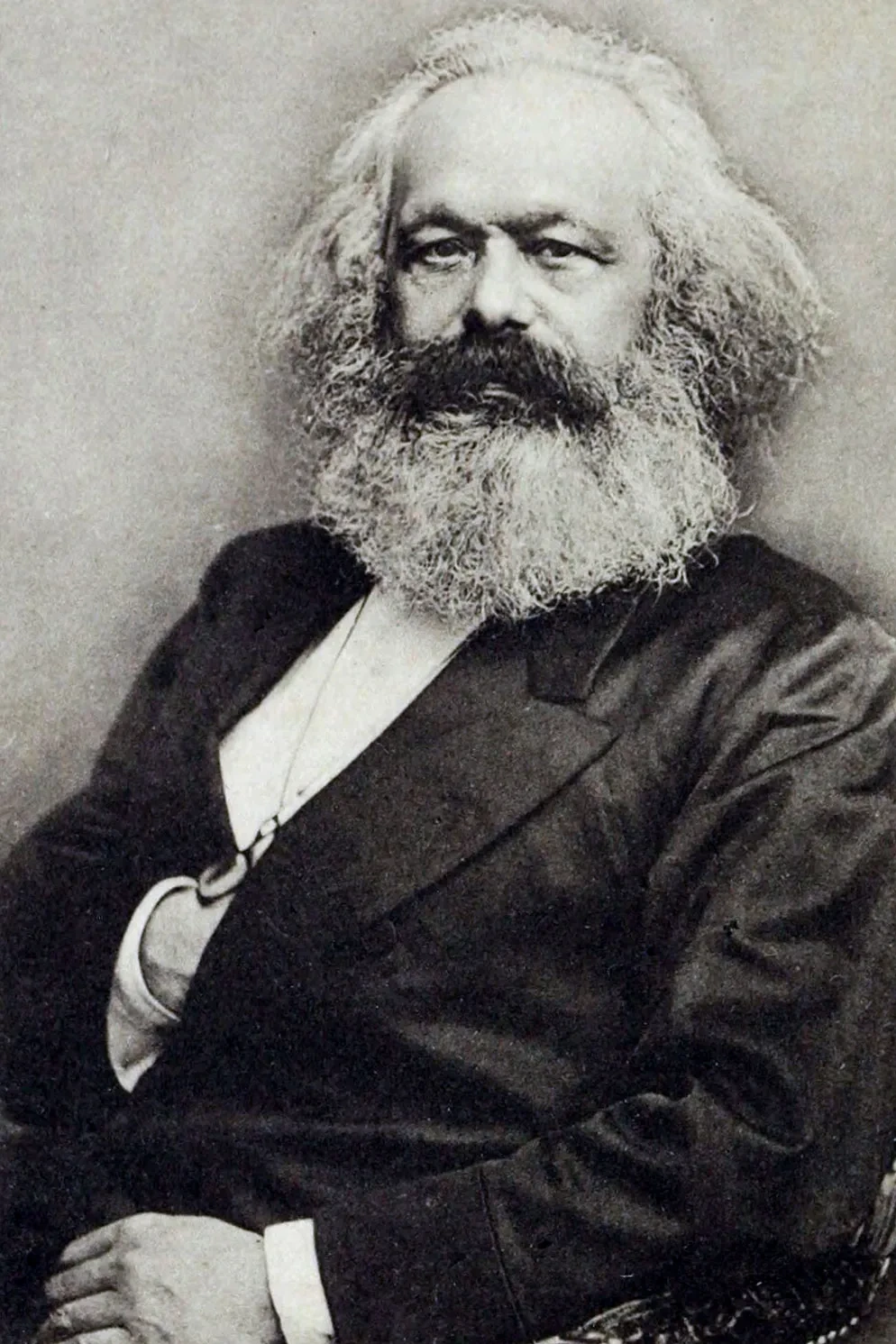
The discussion clarifies socialism's aim to maximize freedom and rights like education, healthcare, and democratic participation for everyone, contrasting it with capitalism's power imbalances and exploitation. Historically, socialism seeks to improve on capitalism by ensuring collective ownership and democratic decision-making, benefiting all rather than a select few. Examples like Salvador Allende's Chile show how socialist policies can enhance living standards and economic performance, despite external sabotage. The critique addresses misconceptions that socialism means inefficient government control, advocating instead for a fair, participatory system. Ultimately, socialism is presented as a viable alternative to capitalism, promising greater equality and freedom for all.
Read More
As always, when this crisis comes, it would be the poor and the middle class that suffer the most, and all their last remaining wealth will just get transferred to the rich, just like COVID. But if you don't want this to be your fate, the good news is that you still have time to prepare. You've got 12 months before a recession, thanks to the lag effects, before things start getting really bad. And if you want to prepare, it's safe to say that the average 9-to-5 job, where you can get laid off at any moment,is not going to cut it.
Read More
A recent report released by Wealth-X showed that of the world's ultra-wealthy, those with a net worth of 30 million or more, 68 percent of them were self-made, and it seems like every other study backs up this conclusion. Warren Buffett, a self-made billionaire. Howard Schultz, born in poverty. Oprah Winfrey, born in poverty. Jeff Bezos, a self-made billionaire. Elon Musk, a self-made billionaire. Sara Blakely, a self-made billionaire. What is it that these people know that you don't?
Read More
We should stop using the argument that we need to tax the rich to fund social programs. Whenever you hear someone use economically illiterate arguments about taxes, remind them that what truly matters are the physical resources and productive capacity of society. The focus should be on collective ownership, decommodification of resources, and addressing the root causes of inequality.
Read More
Loneliness in society is deeply rooted in capitalist structures and neoliberal values. Addressing this requires both individual actions and systemic changes to foster social connections and mental well-being. Reaching out for help and fostering connections is crucial, as loneliness should be viewed as a signal for the essential need for social connection.
Read More

Unveiling Mao Zedong's complex legacy: from founding a powerful China to catastrophic policies. His vision crumbled as Deng Xiaoping embraced capitalism, lifting millions from poverty but burying Mao's communist dreams. Explore the ironic twists of China's journey from Maoism to market success, marred by a 'Great Leap Forward' backward.
Read More
The colossal shadow of World War II, claiming 65 million lives, looms large over human history. Though often overshadowed by the European theater, the war in the Asia-Pacific region significantly shaped the world we live in today. Understanding this lesser-known chapter is crucial for students seeking to grasp the complexities of the current global landscape. At the war's outset in 1937, Western powers held sway over the vast expanse stretching from India to Japan. This region was a tapestry of colonies, with only a handful of independent nations – China, Mongolia, Thailand, and Japan. Today, this transformed arc boasts 20 major sovereign states, housing nearly half the world's population. The roots of this dramatic transformation can be traced back to the battles fought in the Asia-Pacific during World War II.
Read More
In the 21st century, products like "Occupational disability" (disability insurance) for students are crucial. This insurance provides financial stability if students become unable to work due to disability, especially given the cognitive demands of modern professions and the burden of student loans. The fundamental principle of insurance—transferring and managing risk—remains unchanged from its historical origins to its modern applications. It continues to provide a safety net that enhances economic stability and personal security, adapting to meet the evolving needs of society.
Read More
“Death Note,” though imperfect, powerfully dismantles the ideals it once presented, proving the futility in trying to understand the conflict as simply wanting something inside oneself to be true. The desire for a savior or someone to right the world’s wrongs can be disturbing and delusional, but it is also human. Life continues, and so does the pursuit of a better world, even if it may never be achieved.
Read More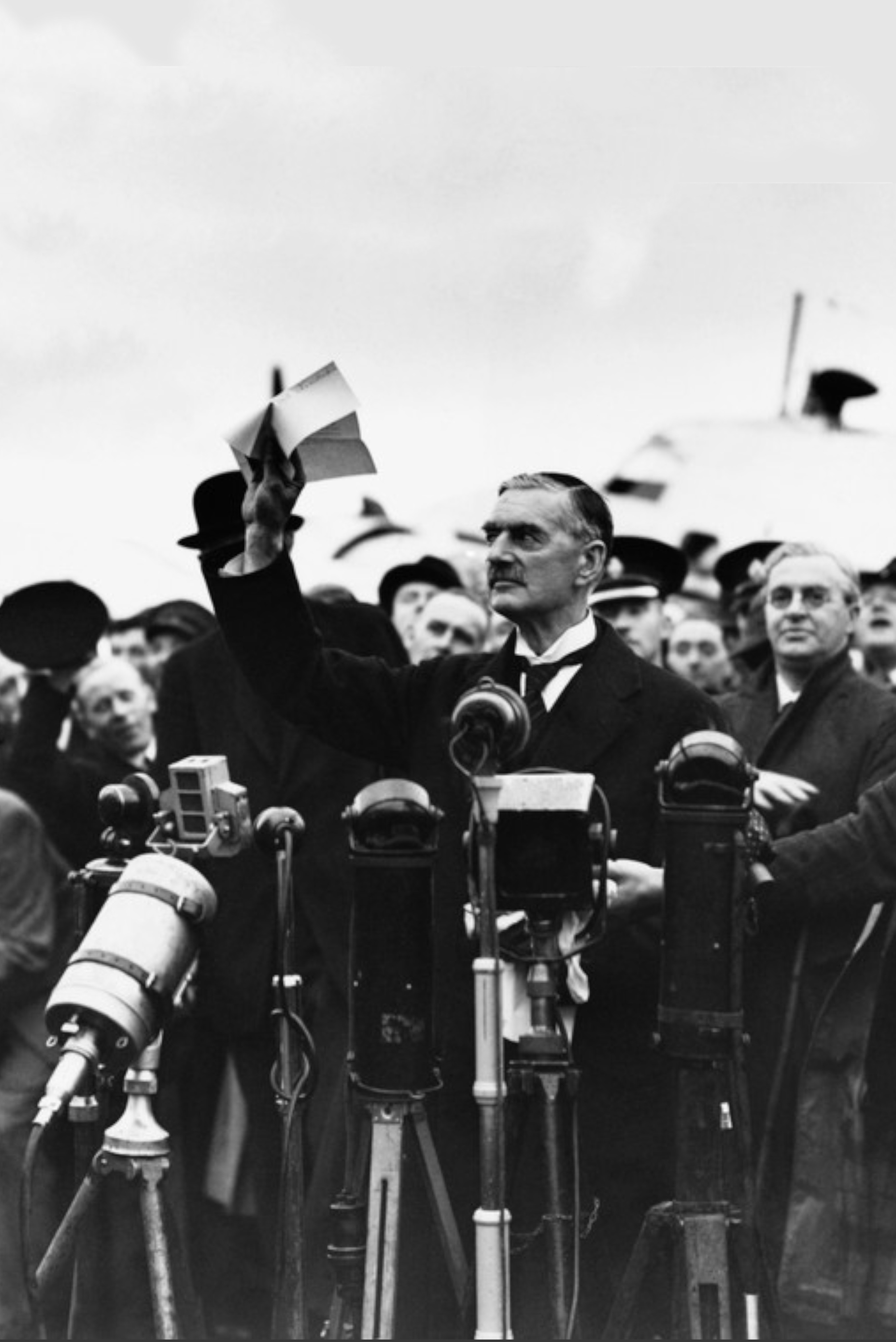
This comprehensive essay delves into the often-neglected lessons of World War II, shedding light on the perilous outcomes resulting from the policy of appeasement. Drawing parallels with today's capitalist systems, it underscores the potential dangers should the pride associated with current ideologies lead to a repetition of historical mistakes, emphasizing the importance of learning from the past and showing how we as a species are destined to fell for the same lies, we have been fed all these years back before the war broke out.
Read More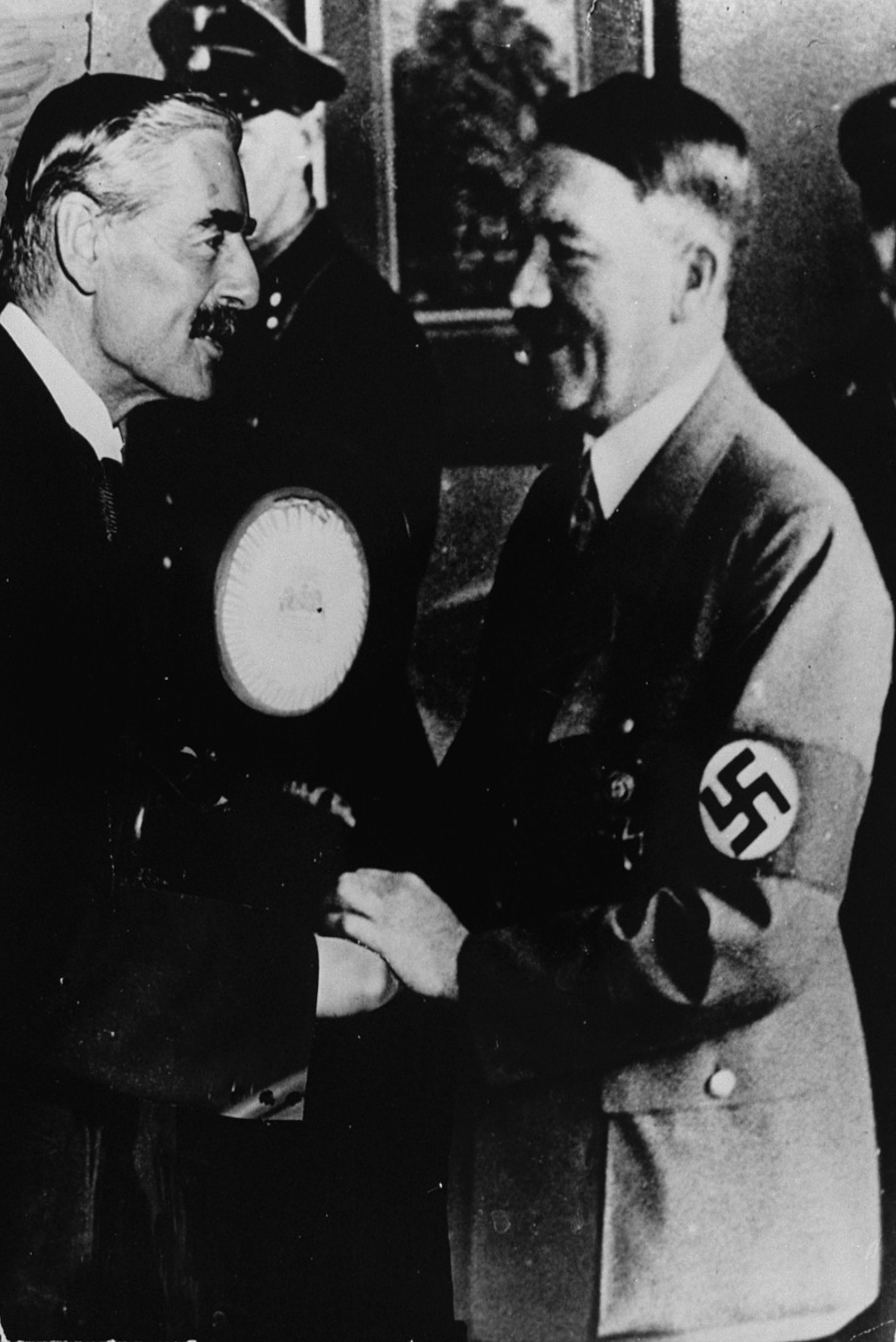
This comprehensive essay delves into the often-neglected lessons of World War II, shedding light on the perilous outcomes resulting from the policy of appeasement. Drawing parallels with today's capitalist systems, it underscores the potential dangers should the pride associated with current ideologies lead to a repetition of historical mistakes, emphasizing the importance of learning from the past and showing how we as a species are destined to fell for the same lies, we have been fed all these years back before the war broke out.
Read More
It can now be said that Confucianism is based on ethical principles and social behavior. Therefore, we may see a renaissance of these traditional Eastern religions and philosophies in the future, providing people with guidance and direction without conflicting with scientific reality.The Western world is highly secularized, with many people turning away from traditional religions and instead focusing on science, technology, and individual freedom. However, this trend has also led to a crisis of identity and the search for meaning. People are increasingly dissatisfied and isolated, and they are seeking new ideologies or communities to fulfill their needs.
Read More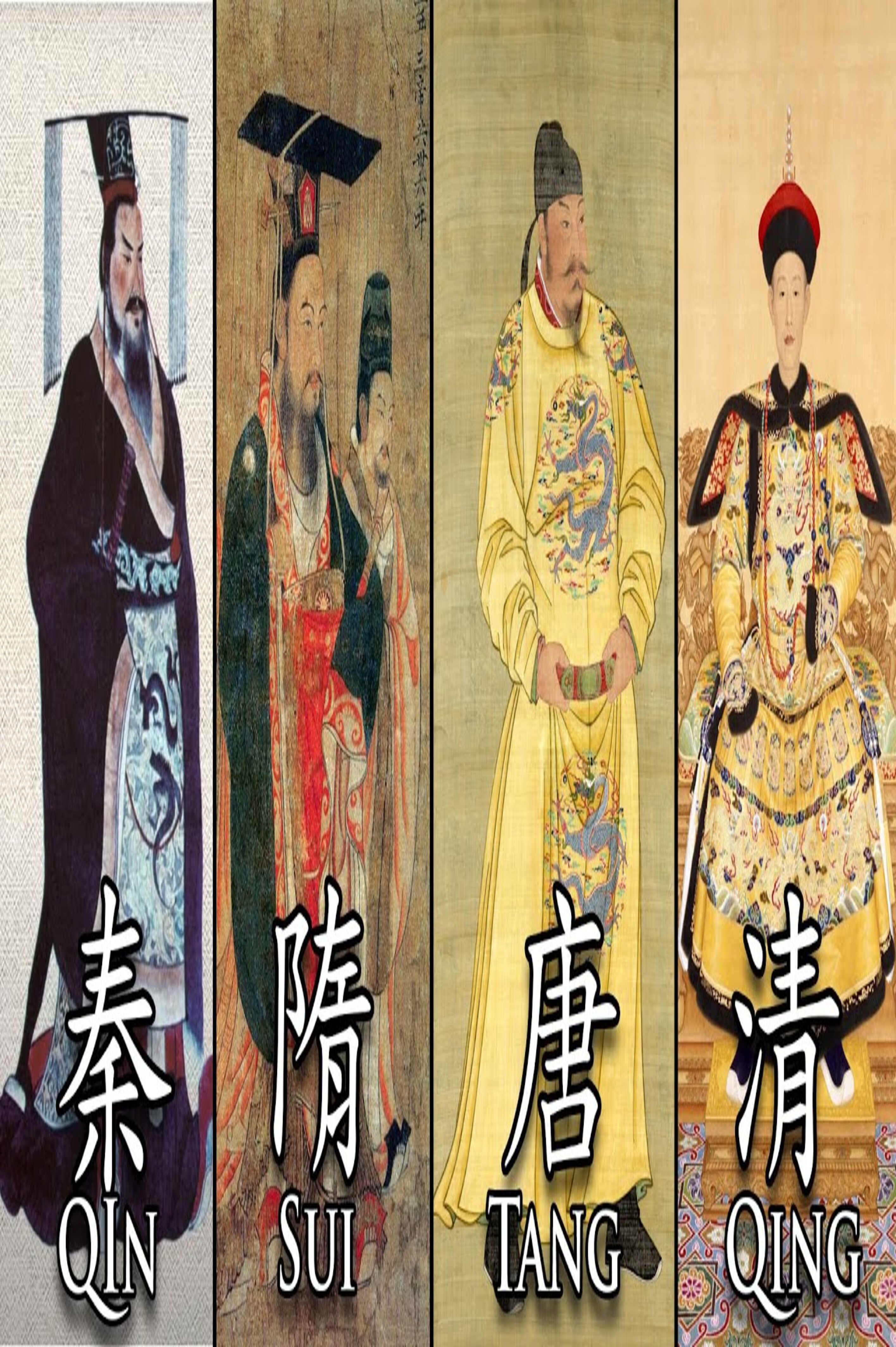
In short, if the last foreign invasion killed a couple million people, it`ll encourage China to try to compete with the rest of the world, and if it`s killed tens of millions, it`ll push China into PTSD shock that`ll force it into an isolationist period. I want to make clear that China was the wealthiest, most technologically advanced nation on Earth for most of its history. However, the Neo-Confucian Renaissance and the bureaucratization of Chinese society eventually led to its stagnation and decline. The bureaucrats, in their quest for control and stability, suppressed technological advancements and limited trade, which ultimately hindered China`s ability to compete with the rapidly advancing West.
Read MoreAs a nerd and documentarian, I strive to merge technical know-how with a journalist's insight that blends into new insigths and perspectives