
.svg)

(1).png)
Reaching for hope may be like a dead man's longing to smell summer one last time. Like an ant that wishes to soar like a bird of prey. Hope can seem impossible. There are violent storms that destroy it every morning. The powerful do not want us as individuals. They want compliance. They pull the strings of their money, and we dance. We have also been let down by hopes of the past. They grew weak. They suffocated. They brought nothing to our souls. They rotted with time and poisoned our ideas. When we look at the world, we sometimes see the darkest of nights. A better future presents itself to us as fiction.In the midst of these assaults, we are castles. Besieged, seized, plundered, desecrated from within. But our walls still stand. It is our duty to drive out the intruders. Not to capitulate. Attacks on our goodness are feeble. They break against the human spirit. There is no force powerful enough to defeat the infinite future. Hope can prevail. But we must choose it.Yet first, we must understand hope. Truthfully. Seriously. Deeply.Hope is not passive. It is not a stone lying in a garden. To hope does not mean to wait idly and expect good outcomes. That is not hoping. That is wishing. That is expecting. Hope is no task for the indolent. It must carry the dimension of action. One must participate in the world. Act with the mind. Hope and action are inseparable. Only from hope can we act. In true hope, we find the resolve to build our own future. Hope is a path toward a better place. But we must choose to walk it. Hope is not a small sensation. It is an activity.Hope is also not a fleeting feeling satisfied by trivial events. It is more enduring. More profound. It is an openness to the idea of the not-yet. A permanent receptivity to the pain and the glory of the future. To the fullness of the world. And to the fact that within that fullness, something good must exist.
Read More
Whether from Mark Zuckerberg, Apple, or others — there are sweeping ambitions to blur the boundaries between our physical and digital lives. These ambitions are often framed in futuristic or abstract terms — products in development, being tested in research labs, designed for a not-too-distant future. But this framing does not reflect reality. We are already inside a metaverse, one that has crept into our lives, injected itself behind our retinas with needles so fine that we barely felt each puncture. Every day, we drift a little closer to a complete simulation. Our interests and interactions have become hyperreal, existing in a world that slowly overlays the one we can touch and experience with our physical senses.The metaverse is already here. You are already inside it.
Read More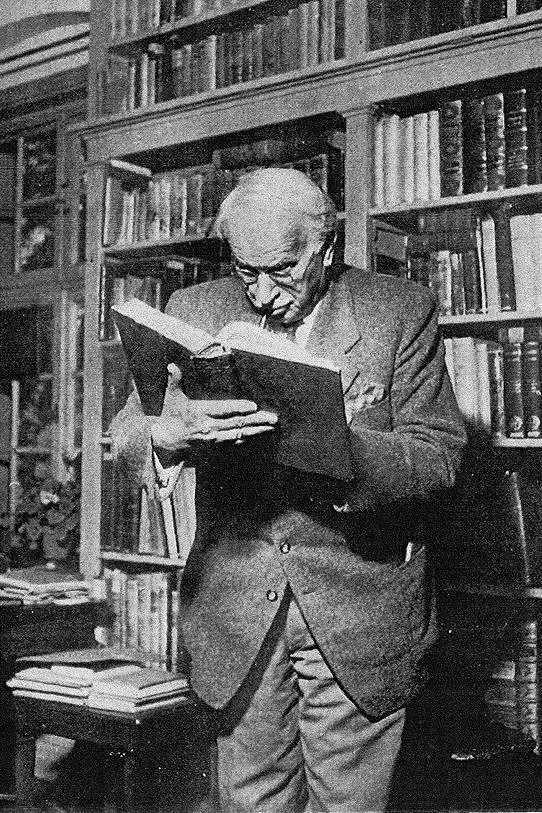
One of Jung's core principles was individuation. This is a hugely complicated idea, but in short, individuation is the process of a person synthesizing the many aspects of the mind into a complete, balanced, and honest human being. We should also understand what individuation is not. It is not rejecting all outside forces but knowing what to do with them. It is not acting on all of one's impulses, but understanding why they occur. The individuation process should not be confused with rather shallow concepts of self-help often seen in advertisments. Through individuation, as author Bud Harris notes, the person does not seek to merely have more positive thoughts or write some self-prescribed wrong and move on with life. Individuation is truly meaningfully being yourself. It is both a transformation and an unending process. We are forever caterpillars, forever cocooned and forever butterflies all at once. In our early childhood, we begin to make decisions and form values. We arrive knowingly or otherwise at conclusions about who we should be, how we should go through life, and what we should strive for. This often involves embracing certain qualities and trying to destroy others. There's not much we can do about this. Formative years are formative years. But when we get deeper into our lives, it becomes clear that this process having taken place so early is a problem. We reached conclusions about ourselves and our life before ourselves have lived. Imagine a person tells you to get ready for a hike in a faraway land.
Read More
Populism presents democracy with its most fundamental contradiction—it emerges from democratic systems while potentially destroying them. Every populist movement claims to represent "the people" against corrupt elites, yet "the people" are never actually singular. They're millions of individuals with conflicting interests who disagree with each other constantly. This creates an impossible logical problem: how can any leader authentically represent such diversity? The answer is they can't, which is why populist movements inevitably rely on charismatic, often eccentric leaders who become the very type of elite they claim to oppose. Populism isn't going away because it reveals genuine flaws in how modern democracies work. When democratic institutions fail to represent significant portions of the population—the "forgotten rooms" of society—populism emerges as both symptom and potential cure. The real challenge isn't defeating populism but addressing the underlying conditions that make it appealing: the sense that ordinary people have lost control over their lives, increasing inequality, and governance by distant technocrats. Until we solve these problems, populism will remain democracy's persistent shadow, offering solutions that might cure the disease by killing the patient.
Read More
Certainly, we should not actively seek pain, or champion suffering, or envy those in sorrow. We also must not abandon our brothers or sisters in moments of crisis. But we should recognize that suffering is an inexorable part of the human condition. To live is to feel many things, and one of them is pain. But pain is neither bad nor good. It is instead an ecosystem, which at once contains decay and growth. I do not agree with the hardline notion that pain is good, that suffering makes us better—but I do believe that being a quintessential piece of life, we should seek for and identify the benefits of pain. We too often regard feelings of pain as weakness, as if these sensations are relegated to only a few among us. This is, of course, false.So we must find something to do with our pain. We must identify how it holistically impacts our condition. Pain is like a stone we are forced to carry, and so we would be best served not to languish only in obligation, but instead we may see if this stone can be used for other purposes.
Read More
...data counts numbers. It does not recount. It does not reflect. It does not re-examine events at different times in life with earned perspective of living in the real world. When we make these judgments and decisions based upon these numbers, it is no wonder they fail to provide peace or happiness. But still, we pursue further such decisions under the guise of self-improvement. When in truth, we are just closing the door of a prison built with our own hands, we become both the guard and the inmate.
Read More(1)(1).jpg)
the violation of the law by our own governments. Our freedom is being sacrificed in the name of security. But we live in a democracy; we can change that. The question is whether we want to.This question echoes through our times like an unheeded cry for help. While we get excited about political trivialities, the substance of our democratic order is disappearing in a bureaucratic fog of security laws and emergency regulations. The irony is bitter: those who are supposed to protect us from the destruction of democracy are destroying it themselves – piece by piece, law by law, surveillance measure by surveillance measure.
Read More
Unveiling Mao Zedong's complex legacy: from founding a powerful China to catastrophic policies. His vision crumbled as Deng Xiaoping embraced capitalism, lifting millions from poverty but burying Mao's communist dreams. Explore the ironic twists of China's journey from Maoism to market success, marred by a 'Great Leap Forward' backward.
Read More
The colossal shadow of World War II, claiming 65 million lives, looms large over human history. Though often overshadowed by the European theater, the war in the Asia-Pacific region significantly shaped the world we live in today. Understanding this lesser-known chapter is crucial for students seeking to grasp the complexities of the current global landscape. At the war's outset in 1937, Western powers held sway over the vast expanse stretching from India to Japan. This region was a tapestry of colonies, with only a handful of independent nations – China, Mongolia, Thailand, and Japan. Today, this transformed arc boasts 20 major sovereign states, housing nearly half the world's population. The roots of this dramatic transformation can be traced back to the battles fought in the Asia-Pacific during World War II.
Read More
In the 21st century, products like "Occupational disability" (disability insurance) for students are crucial. This insurance provides financial stability if students become unable to work due to disability, especially given the cognitive demands of modern professions and the burden of student loans. The fundamental principle of insurance—transferring and managing risk—remains unchanged from its historical origins to its modern applications. It continues to provide a safety net that enhances economic stability and personal security, adapting to meet the evolving needs of society.
Read More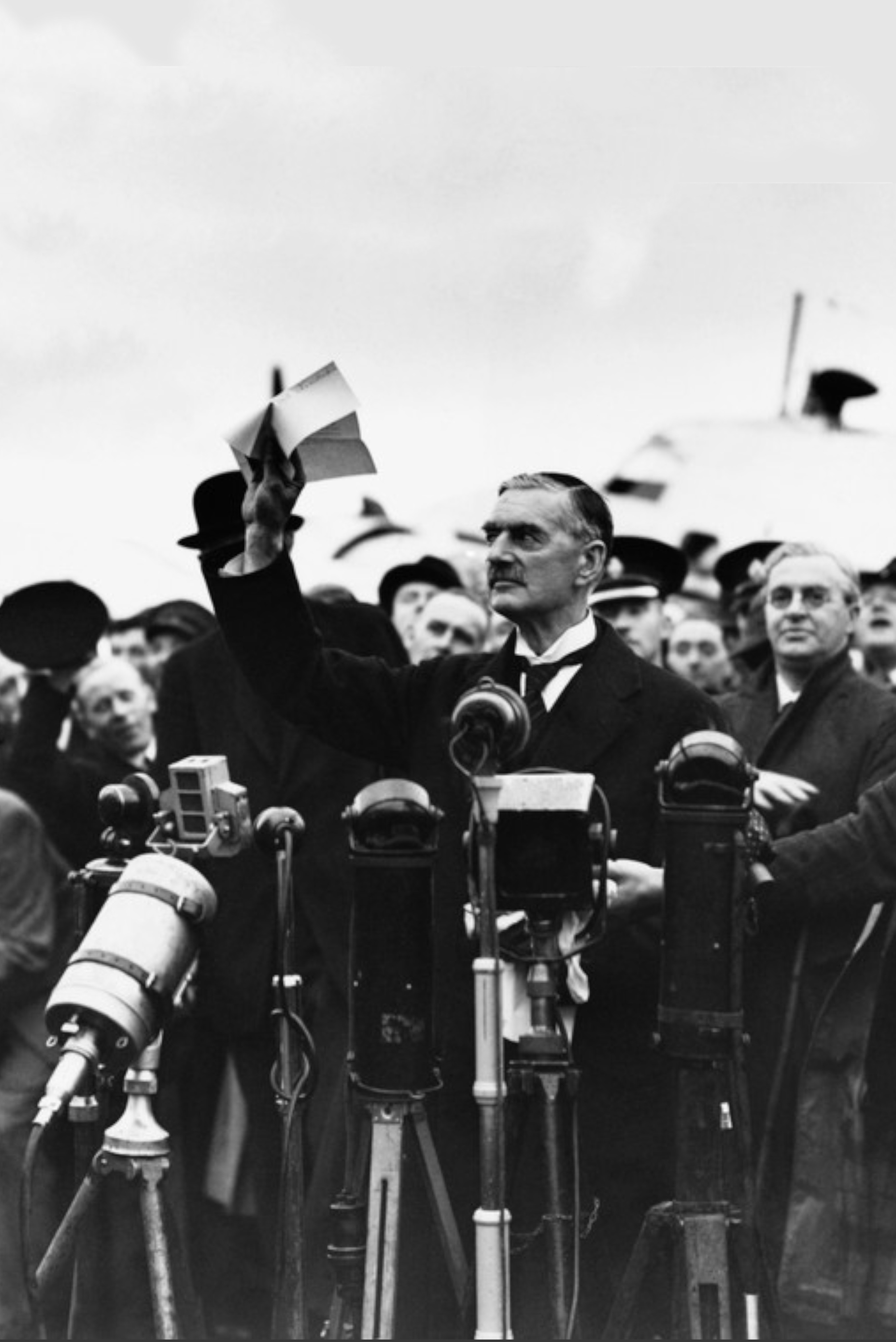
This comprehensive essay delves into the often-neglected lessons of World War II, shedding light on the perilous outcomes resulting from the policy of appeasement. Drawing parallels with today's capitalist systems, it underscores the potential dangers should the pride associated with current ideologies lead to a repetition of historical mistakes, emphasizing the importance of learning from the past and showing how we as a species are destined to fell for the same lies, we have been fed all these years back before the war broke out.
Read More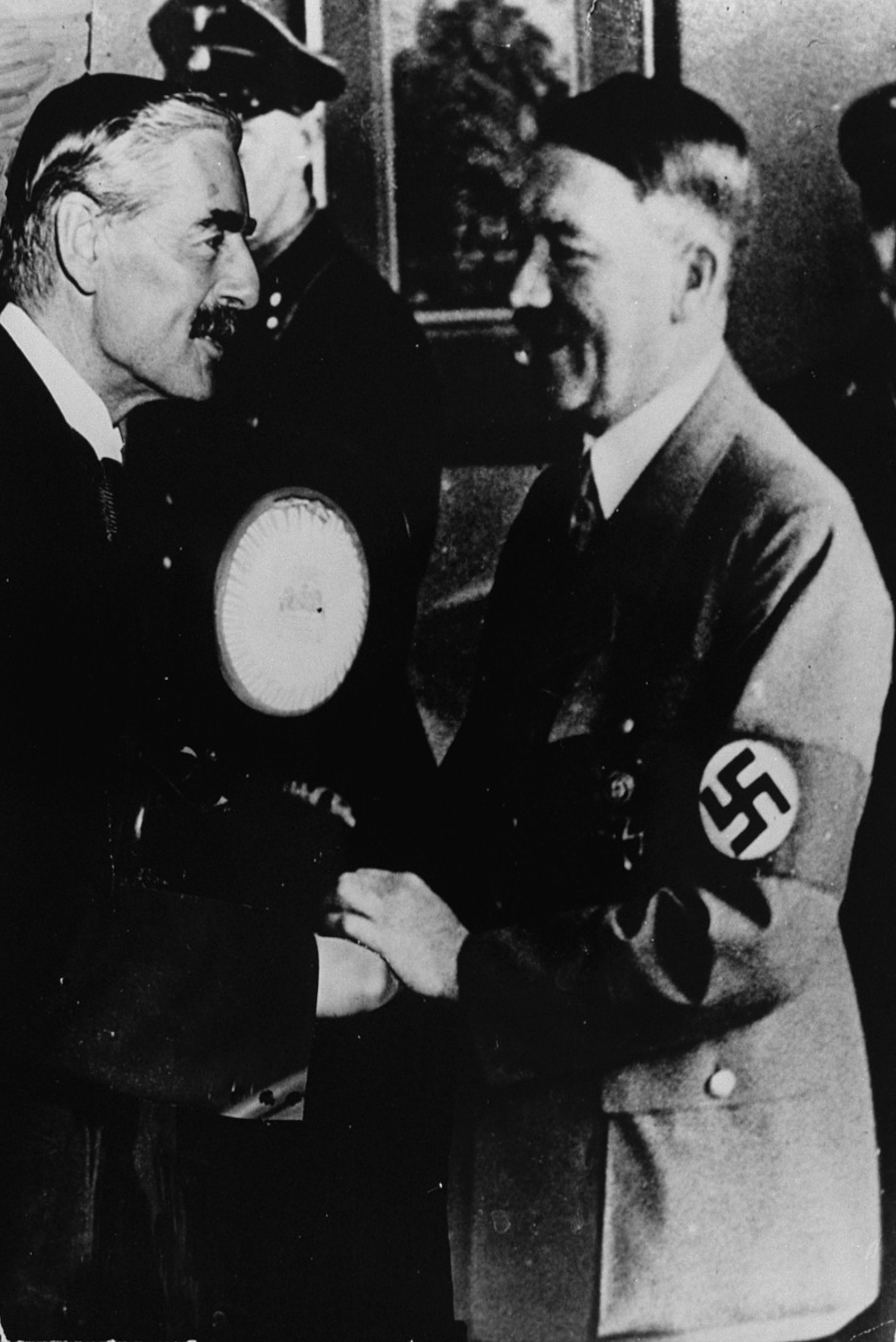
This comprehensive essay delves into the often-neglected lessons of World War II, shedding light on the perilous outcomes resulting from the policy of appeasement. Drawing parallels with today's capitalist systems, it underscores the potential dangers should the pride associated with current ideologies lead to a repetition of historical mistakes, emphasizing the importance of learning from the past and showing how we as a species are destined to fell for the same lies, we have been fed all these years back before the war broke out.
Read More
It can now be said that Confucianism is based on ethical principles and social behavior. Therefore, we may see a renaissance of these traditional Eastern religions and philosophies in the future, providing people with guidance and direction without conflicting with scientific reality.The Western world is highly secularized, with many people turning away from traditional religions and instead focusing on science, technology, and individual freedom. However, this trend has also led to a crisis of identity and the search for meaning. People are increasingly dissatisfied and isolated, and they are seeking new ideologies or communities to fulfill their needs.
Read More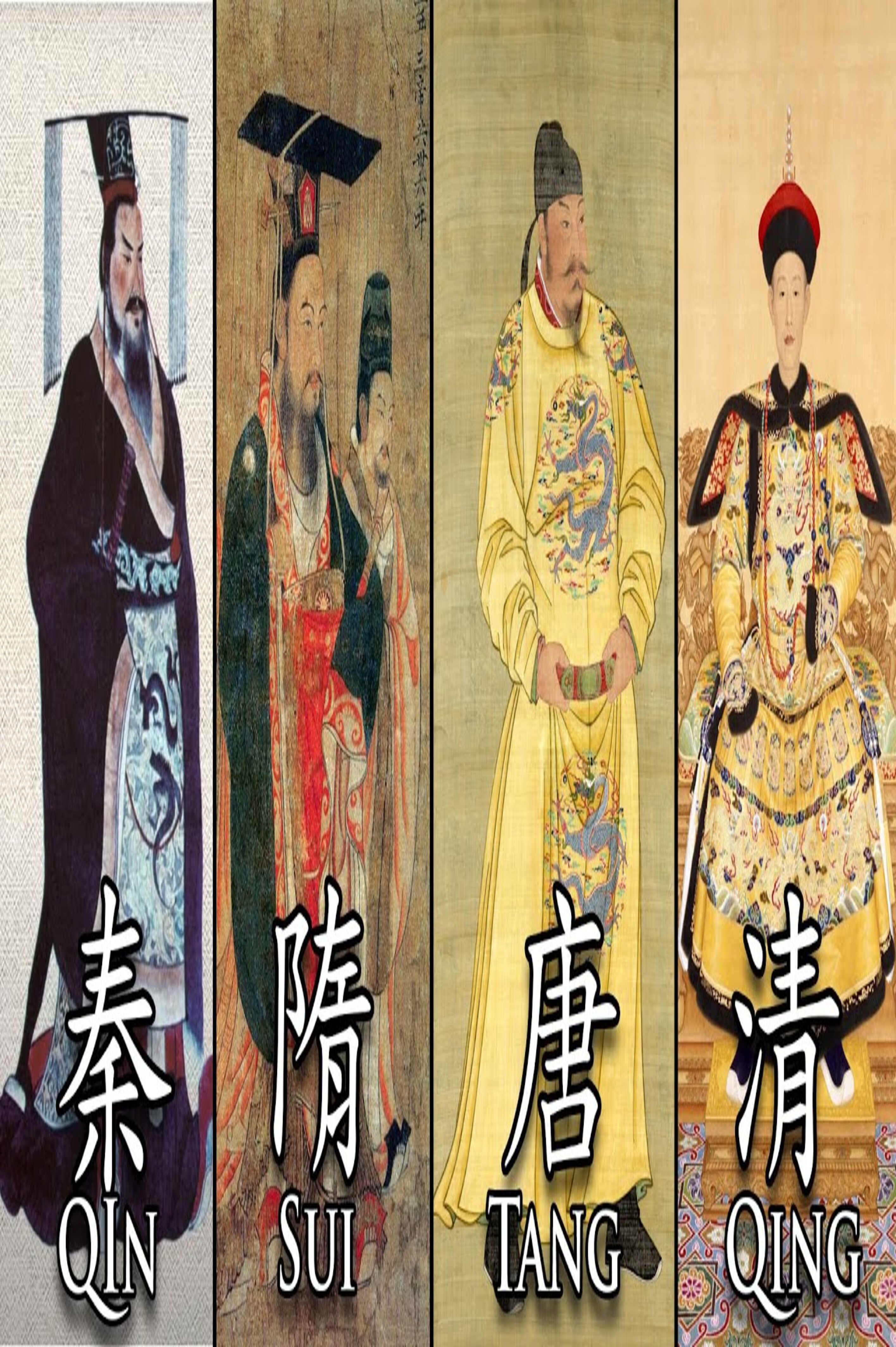
In short, if the last foreign invasion killed a couple million people, it`ll encourage China to try to compete with the rest of the world, and if it`s killed tens of millions, it`ll push China into PTSD shock that`ll force it into an isolationist period. I want to make clear that China was the wealthiest, most technologically advanced nation on Earth for most of its history. However, the Neo-Confucian Renaissance and the bureaucratization of Chinese society eventually led to its stagnation and decline. The bureaucrats, in their quest for control and stability, suppressed technological advancements and limited trade, which ultimately hindered China`s ability to compete with the rapidly advancing West.
Read MoreAs a nerd and documentarian, I strive to merge technical know-how with a journalist's insight that blends into new insigths and perspectives